





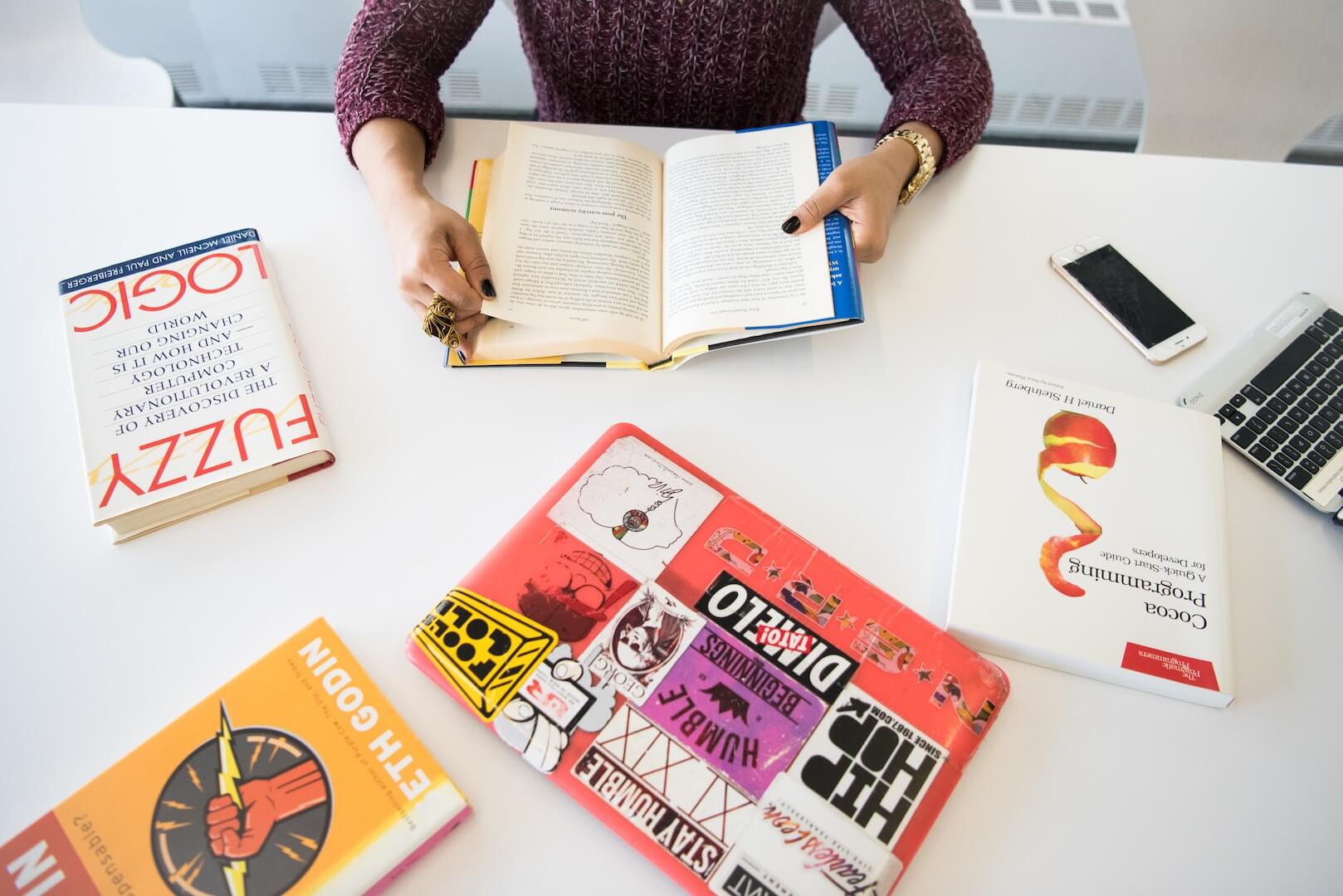
- Artistic allure defines modern interiors with spingalaxys.ca and captivating design elements
- The Power of Texture and Materiality in Interior Design
- Layering Textures for Visual Impact
- The Art of Color Palettes and their Psychological Impact
- Building a Harmonious Color Scheme
- The Importance of Lighting in Interior Spaces
- Choosing the Right Lighting Fixtures
- Embracing Minimalism and Decluttering for Serene Interiors
- The Future of Interior Design: Sustainable Practices and Biophilic Design
Artistic allure defines modern interiors with spingalaxys.ca and captivating design elements
The pursuit of a beautiful and functional interior space is a timeless endeavor. Modern design trends increasingly emphasize the creation of environments that are not only aesthetically pleasing but also reflective of individual personality and lifestyle. Achieving this balance often requires careful consideration of various design elements, from furniture selection and color palettes to lighting and decorative accents. Discovering resources that offer both quality products and inspiring ideas is crucial for anyone embarking on an interior design project. A great starting point for finding captivating design solutions is https://spingalaxys.ca, a platform dedicated to providing a curated collection of artistic and contemporary home décor.
Today’s interiors are moving away from rigid rules and embracing a more eclectic and personalized approach. The focus is on creating spaces that feel comfortable, inviting, and genuinely ‘you’. This shift has led to a greater appreciation for artisanal craftsmanship, unique textures, and bold statements. The availability of online platforms allows for accessible exploration of diverse styles and fosters a global community of design enthusiasts. Successfully navigating this landscape requires understanding key design principles and the ability to translate inspiration into a cohesive and harmonious whole.
The Power of Texture and Materiality in Interior Design
Texture plays a vital role in shaping the visual and tactile experience of a room. It adds depth, interest, and a sense of warmth. Incorporating a variety of textures – from smooth silks and polished metals to rough linens and natural stone – can elevate an interior from ordinary to extraordinary. The interplay of different materials creates a dynamic environment that engages the senses and invites exploration. Considering the texture of walls, flooring, furniture, and accessories is crucial when developing a design concept. Utilizing natural materials like wood, wool, and cotton brings an organic quality to the space, fostering a connection to the natural world. The strategic use of texture can also define different zones within an open-plan layout and highlight architectural features.
Layering Textures for Visual Impact
A successful design often involves layering textures to create a rich and inviting atmosphere. This doesn't mean simply combining numerous textures at random; it requires careful consideration of scale, color, and proportion. For example, pairing a plush velvet sofa with a woven rug and a metallic coffee table creates a balanced contrast. Adding throw pillows and blankets in varying textures further enhances the sense of comfort and luxury. Don't be afraid to experiment with different combinations and find what feels most appealing to your personal aesthetic. Using a neutral color palette as a base allows textures to take center stage without overwhelming the space. Aim for a cohesive look, ensuring that the textures complement each other rather than clash.
| Velvet | Soft, plush, and luxurious | Upholstery, curtains, throw pillows |
| Linen | Natural, breathable, slightly textured | Curtains, bedding, upholstery |
| Wood | Warm, organic, varied grain patterns | Flooring, furniture, wall paneling |
| Stone | Cool, durable, naturally textured | Flooring, countertops, accent walls |
The table above illustrates just a few examples, showcasing how varied materials each contribute unique textures to design. The conscious selection of these textures is key in building a compelling and comfortable interior.
The Art of Color Palettes and their Psychological Impact
Color is undeniably one of the most powerful tools in an interior designer’s arsenal. It has the ability to evoke specific emotions, create a particular mood, and profoundly influence how we perceive a space. Understanding the psychological effects of different colors is essential for crafting interiors that are not only visually appealing but also conducive to the intended use of the room. Warm colors, such as reds, oranges, and yellows, tend to be energizing and inviting, making them ideal for social spaces like living rooms and dining rooms. Cool colors, like blues, greens, and purples, promote relaxation and tranquility, making them suitable for bedrooms and bathrooms. Neutral colors, such as grays, whites, and beiges, provide a versatile backdrop that can be paired with accent colors to create a customized look.
Building a Harmonious Color Scheme
Creating a harmonious color scheme involves more than just selecting colors you like. It’s about understanding color relationships and using them to your advantage. The color wheel can be a helpful tool in this process. Complementary colors (those opposite each other on the wheel, like blue and orange) create a high-contrast effect that can be visually stimulating. Analogous colors (those next to each other on the wheel, like blue, blue-green, and green) create a more harmonious and soothing effect. Monochromatic color schemes (using different shades of a single color) can be very sophisticated and elegant. Remember to consider the amount of natural light in the room when choosing colors – darker colors can make a small space feel even smaller, while lighter colors can brighten up a dark space. Resources like https://spingalaxys.ca often showcase designs that employ these color schemes effectively.
- Consider the room's purpose when choosing a color palette.
- Use a color wheel to explore different color relationships.
- Test paint samples in the room before committing to a color.
- Don't be afraid to experiment with different combinations.
- Balance warm and cool colors for a harmonious look.
Through mindful selection and combination, color can truly transform an interior space.
The Importance of Lighting in Interior Spaces
Lighting is often underestimated but it is fundamental to the overall ambiance and functionality of a room. It’s not just about illumination; it’s about creating mood, highlighting architectural features, and enhancing the perceived size and shape of a space. A well-lit interior is both visually appealing and practical, providing adequate visibility for various activities. There are three main types of lighting to consider: ambient lighting (general illumination), task lighting (focused illumination for specific tasks), and accent lighting (used to highlight artwork or architectural details). Layering these different types of lighting is key to creating a dynamic and versatile lighting scheme. Dimmer switches are essential for adjusting the brightness levels to suit different moods and activities.
Choosing the Right Lighting Fixtures
Selecting the right lighting fixtures is crucial for both aesthetics and functionality. Consider the style of the room and choose fixtures that complement the overall design. Pendant lights are ideal for illuminating kitchen islands or dining tables, while recessed lighting provides a clean and minimalist look. Table lamps and floor lamps add warmth and ambiance to living rooms and bedrooms. When choosing light bulbs, consider the color temperature – warm white bulbs create a cozy and inviting atmosphere, while cool white bulbs provide brighter and more energizing illumination. LED bulbs are energy-efficient and long-lasting, making them an environmentally friendly choice. A visit to resources, such as those found through https://spingalaxys.ca, can provide inspiration for innovative lighting solutions.
- Start with ambient lighting to provide general illumination.
- Add task lighting where needed for specific activities.
- Use accent lighting to highlight features and create visual interest.
- Choose fixtures that complement the room's style.
- Consider the color temperature of the light bulbs.
With the proper planning and implementation, the strategic use of lighting can dramatically enhance any interior space.
Embracing Minimalism and Decluttering for Serene Interiors
In today's fast-paced world, the desire for calm and sanctuary within our homes is stronger than ever. Minimalism, as a design philosophy, offers a pathway to achieving this serenity through intentionality and simplicity. It's about carefully curating possessions, prioritizing functionality, and eliminating excess clutter. A minimalist interior isn't necessarily about starkness or emptiness; it’s about creating a space that feels peaceful, organized, and conducive to relaxation. It focuses on quality over quantity, opting for well-made, timeless pieces that will last for years. This approach not only creates a more visually appealing space but also reduces stress and promotes a sense of well-being. Embracing neutral color palettes, clean lines, and natural materials are hallmarks of minimalist design.
The benefits of a decluttered home extend beyond aesthetics. It can improve focus, reduce anxiety, and foster a sense of control. Regularly assessing and removing items that no longer serve a purpose is an essential part of maintaining a minimalist lifestyle. This could involve donating unwanted items, selling them online, or simply discarding them responsibly. Creating dedicated storage solutions and adopting a ‘one in, one out’ policy can help prevent clutter from accumulating in the future. Minimalism isn't just about the physical space; it’s about adopting a mindful and intentional approach to all aspects of life.
The Future of Interior Design: Sustainable Practices and Biophilic Design
The future of interior design is inextricably linked to sustainability and a growing awareness of our connection to the natural world. Consumers are increasingly demanding eco-friendly products and practices, and designers are responding by incorporating sustainable materials, energy-efficient technologies, and responsible manufacturing processes. This includes utilizing recycled and reclaimed materials, choosing low-VOC paints and finishes, and prioritizing durable, long-lasting furnishings. Beyond sustainability, biophilic design – the integration of natural elements into the built environment – is gaining prominence. This involves incorporating plants, natural light, natural materials, and nature-inspired patterns to create spaces that promote well-being and connection to the outdoors.
Biophilic design principles recognize that humans have an innate affinity for nature, and that incorporating natural elements into our surroundings can have a positive impact on our physical and mental health. This can range from adding potted plants and green walls to maximizing natural light and incorporating views of nature. As our understanding of the benefits of biophilic design grows, we can expect to see it become increasingly prevalent in both residential and commercial spaces. Innovations in materials and technologies will continue to drive the adoption of sustainable practices, paving the way for a more environmentally responsible and health-conscious approach to interior design, and resources like those referenced at https://spingalaxys.ca will undoubtedly reflect these upcoming trends.
