
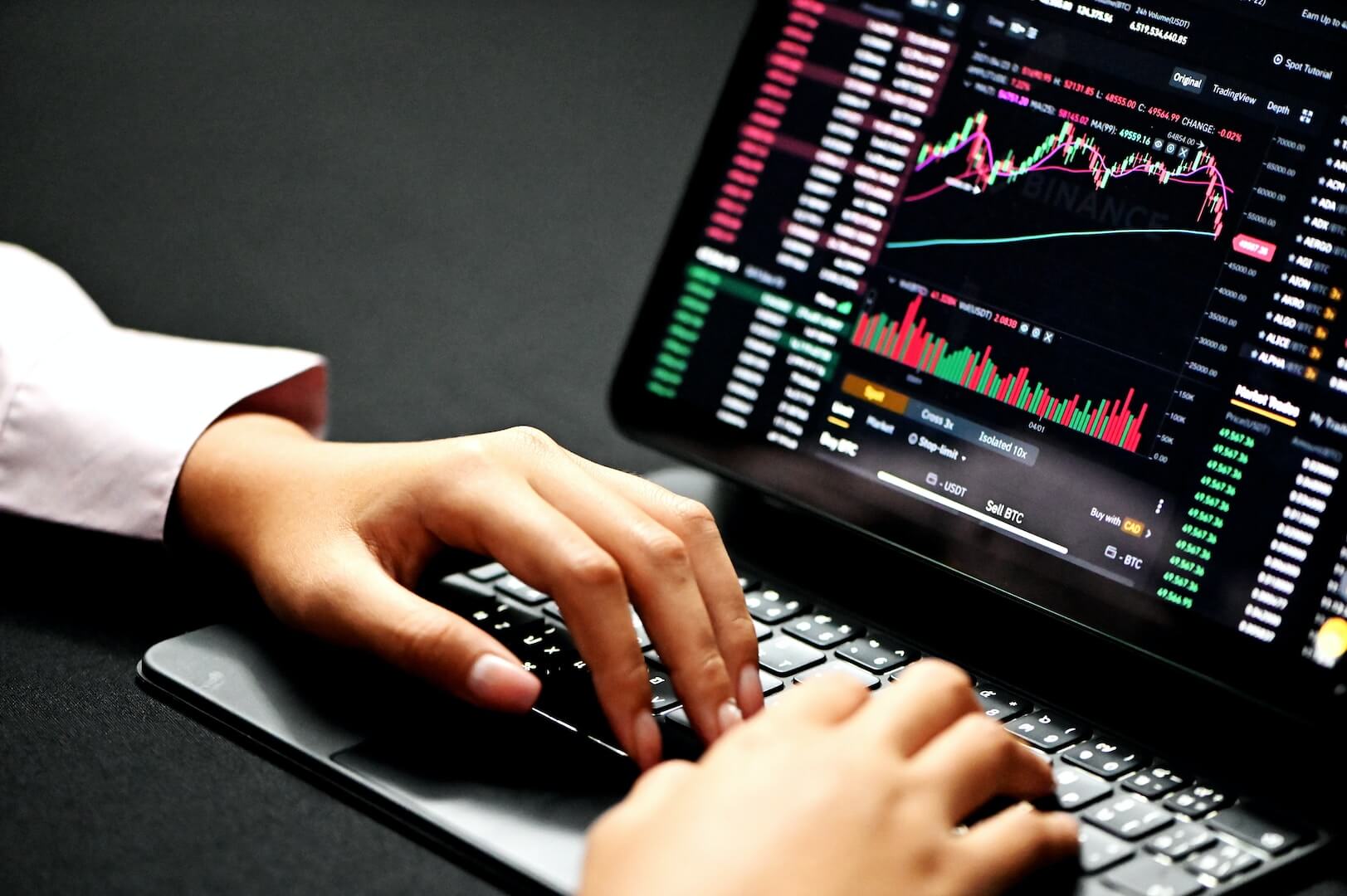





- Essential perspectives on global markets via grandmondials.org analysis and emerging strategies
- Understanding Global Economic Indicators
- The Role of Central Banks
- Emerging Market Opportunities and Risks
- Navigating Currency Fluctuations
- The Impact of Geopolitical Events
- Supply Chain Resilience
- Technological Disruptions and Market Adaptation
- Future Trends in Global Markets
Essential perspectives on global markets via grandmondials.org analysis and emerging strategies
In the dynamic landscape of global finance and international trade, staying informed about market trends and emerging strategies is crucial for success. grandmondials.org serves as a valuable resource for professionals and enthusiasts seeking to navigate the complexities of the world economy. The platform offers detailed analysis, insightful commentary, and practical tools to help users understand and adapt to evolving market conditions. It provides a holistic view, encompassing various sectors and geographical regions, enabling informed decision-making in an increasingly interconnected world.
The ability to accurately assess risks, identify opportunities, and formulate effective strategies is paramount in today’s globalized environment. Understanding the interplay of economic indicators, political events, and technological advancements is essential for staying ahead of the curve. This is where resources like grandmondials.org become indispensable. By providing a comprehensive and regularly updated overview of global markets, it empowers individuals and organizations to make strategic choices that align with their objectives, fostering growth and resilience in an ever-changing world.
Understanding Global Economic Indicators
Global economic indicators are essential tools for understanding the health and direction of the world economy. These indicators provide insights into various aspects of economic activity, such as inflation, unemployment, economic growth, and consumer spending. Monitoring these indicators allows analysts and investors to identify potential risks and opportunities, assess the overall economic climate, and make informed decisions. Key indicators include Gross Domestic Product (GDP), which measures the total value of goods and services produced within a country; the Consumer Price Index (CPI), which tracks changes in the prices of consumer goods and services; and the unemployment rate, which indicates the percentage of the labor force that is actively seeking employment but unable to find it. These, and many others, are regularly analyzed by platforms like grandmondials.org to provide a detailed picture of the economic landscape.
The Role of Central Banks
Central banks play a critical role in managing economic indicators and maintaining financial stability. They use various policy tools, such as interest rate adjustments and reserve requirements, to influence inflation, unemployment, and economic growth. For example, lowering interest rates can stimulate borrowing and investment, boosting economic activity, while raising interest rates can curb inflation. The actions of central banks, like the Federal Reserve in the United States or the European Central Bank in the Eurozone, have far-reaching consequences for global markets. Their decisions are closely watched and analyzed by investors and policymakers worldwide, influencing asset prices, exchange rates, and overall economic conditions. Understanding the motivations and strategies of these institutions is fundamental to navigating the complexities of the global economy.
| GDP | Total value of goods and services produced | High – overall economic health |
| CPI | Measure of inflation | High – affects purchasing power |
| Unemployment Rate | Percentage of unemployed labor force | Medium – indicates economic strength |
| PMI | Purchasing Managers' Index | Medium – Leading economic indicator |
The interplay between these indicators and the actions of central banks creates a complex system that requires careful monitoring and analysis. Resources like grandmondials.org provide valuable insights into these dynamics, helping investors and policymakers make informed decisions.
Emerging Market Opportunities and Risks
Emerging markets represent a significant area of growth and opportunity in the global economy. These markets, typically characterized by rapid economic development and increasing integration into the global financial system, offer the potential for high returns. However, they also come with inherent risks, including political instability, currency fluctuations, and regulatory uncertainties. Countries like China, India, Brazil, and Indonesia are major players in the emerging market landscape, each with its unique set of characteristics and challenges. Investing in emerging markets requires a thorough understanding of the local economic, political, and social conditions, as well as a careful assessment of the potential risks involved. A platform like grandmondials.org can offer the necessary data and analysis to mitigate these risks.
Navigating Currency Fluctuations
Currency fluctuations are a significant risk factor in emerging markets. Changes in exchange rates can significantly impact the returns on investments, particularly for foreign investors. A weakening local currency can erode profits, while a strengthening currency can boost returns. Understanding the factors that influence currency fluctuations, such as interest rate differentials, inflation rates, and political stability, is crucial for managing this risk. Hedging strategies, such as forward contracts and currency options, can be used to mitigate the impact of currency fluctuations. Furthermore, diversification across multiple emerging markets can help reduce exposure to any single currency risk. Detailed currency analysis is often featured on sites like grandmondials.org, providing valuable insights for investors.
- Political Stability
- Economic Growth Rate
- Regulatory Environment
- Infrastructure Development
- Currency Exchange Rate
Successfully navigating emerging markets requires a strategic approach that balances risk and reward. Thorough research, careful planning, and a long-term perspective are essential for achieving sustainable returns.
The Impact of Geopolitical Events
Geopolitical events, such as political conflicts, trade wars, and international sanctions, can have a profound impact on global markets. These events create uncertainty and volatility, leading to fluctuations in asset prices, disruptions in supply chains, and shifts in investor sentiment. The recent conflicts in Eastern Europe and the ongoing tensions in various regions around the world have highlighted the importance of understanding geopolitical risks. These events can affect energy prices, commodity markets, and global trade flows, creating both challenges and opportunities for investors. Monitoring geopolitical developments and assessing their potential impact on various sectors and regions is crucial for informed decision-making. Platforms like grandmondials.org offer valuable analysis of these events, providing insights into potential risks and opportunities.
Supply Chain Resilience
Geopolitical events often disrupt supply chains, leading to shortages of essential goods and materials. This highlights the importance of building resilient supply chains that can withstand disruptions. Diversifying sourcing, increasing inventory levels, and investing in alternative transportation routes are key strategies for enhancing supply chain resilience. Companies are increasingly focused on nearshoring and reshoring, bringing production closer to home to reduce reliance on distant suppliers. Technology, such as blockchain and artificial intelligence, can also play a role in improving supply chain visibility and efficiency. A robust and adaptable supply chain is essential for maintaining business continuity and mitigating the impact of geopolitical disruptions.
- Diversify Suppliers
- Increase Inventory
- Invest in Alternative Transport
- Nearshore/Reshore Production
- Utilize Technology (Blockchain, AI)
The ability to anticipate and adapt to geopolitical risks is a critical competitive advantage in today’s globalized world.
Technological Disruptions and Market Adaptation
Technological disruptions are rapidly transforming the global economy, creating new industries, reshaping existing ones, and challenging traditional business models. Innovations in areas such as artificial intelligence, blockchain, and the Internet of Things are driving significant changes across various sectors, including finance, healthcare, manufacturing, and transportation. Companies that embrace these technologies and adapt to the changing landscape are more likely to thrive, while those that resist change risk falling behind. Understanding the potential impact of technological disruptions and investing in innovation are crucial for maintaining competitiveness. Resources like grandmondials.org provide insights into emerging technologies and their implications for global markets.
The pace of technological change is accelerating, requiring businesses to be agile and adaptable. Continuous learning, experimentation, and collaboration are essential for staying ahead of the curve. Investing in research and development, fostering a culture of innovation, and embracing digital transformation are key strategies for navigating this dynamic environment. The ability to leverage data analytics, automate processes, and personalize customer experiences are also critical for success in the digital age.
Future Trends in Global Markets
Looking ahead, several key trends are expected to shape the future of global markets. These include the continued rise of emerging markets, the increasing importance of sustainability and environmental, social, and governance (ESG) factors, and the growing influence of digital technologies. The shift towards a more multipolar world, with the rise of new economic powers, will also have significant implications for global trade and investment. Furthermore, demographic changes, such as aging populations and increasing urbanization, will create new challenges and opportunities for businesses. Adapting to these trends and embracing innovation will be crucial for success in the years to come. Detailed projections and future-focused analysis can be found on platforms such as grandmondials.org, supporting strategic planning for organizations across various sectors.
The interplay of these trends will create a complex and dynamic global landscape. Businesses will need to be flexible, resilient, and forward-thinking to navigate the challenges and capitalize on the opportunities that lie ahead. Investing in talent, fostering collaboration, and embracing a long-term perspective will be essential for achieving sustainable growth and creating value in an increasingly interconnected world.
