





Four thousand dollars. That’s the ceiling for some online cash advance loans. It sounds like a lifesaver when your transmission dies or your kid needs specialized braces by Monday, but in the subprime lending world, that number usually comes with heavy interest and a clock that feels more like a countdown than a repayment schedule.
People often hit a wall when their credit score dips into the low 500s. Suddenly, the big banks stop returning calls. The traditional financial system basically closes its doors, leaving you to wander through a digital forest of payday advances, title loans, and installment plans. It’s a desperate spot to be in, and the math rarely works in your favor.
The thing is, “bad credit” is a massive umbrella. It covers everything from a missed car payment three years ago to a recent bankruptcy. Lenders look at these marks differently, but when you’re standing in a storefront or staring at a smartphone at 2:00 AM, the nuances of underwriting don’t matter as much as the immediate need for cash.
If you need money fast, you aren’t stuck with just one option. The market is fragmented. You have everything from installment loans with flexible repayment options that allow you to borrow between $100 and $1,000, to more aggressive short-term advances that demand a quick turnaround.
The Anatomy of an Emergency Loan
When an emergency hits, you want speed. You don’t want a 48-hour review period; you want the cash before the mechanic hands you the bill. This is why “same-day” is such a massive selling point. Some lenders, like Advance America, offer emergency loans with same-day funding without requiring good credit for approval. They care more about your current ability to pay than your history of paying.
But speed has a price. The faster the money arrives, the higher the APRs likely are. It’s a basic rule: the higher the risk for the lender, the higher the premium for the borrower. If you have no credit history at all, you’re an unknown variable, which usually means you’ll be stuck with the highest interest rates available.
Take Dave, for example. He’s a freelance carpenter who had a bad month because his truck went down. He needed $800 for parts and labor to finish a job. He couldn’t wait for a traditional bank loan, so he went with a quick cash advance. Within twenty minutes, the money was in his account, but the convenience cost him. He ended up paying back $1,100 over the next two months. It solved the immediate crisis, but it created a new one for his budget.
The only way to avoid a debt spiral is to understand the difference between these loan products. You need to know exactly what you’re signing before you click “Accept.”
| Loan Type | Typical Speed | Risk Level | Primary Use Case |
|---|---|---|---|
| Payday Advance | Instant/Same Day | Very High | Short-term gaps (1-2 weeks) |
| Installment Loan | Same Day to 48 Hours | Moderate/High | Larger repairs or bills |
| Cash Advance (Credit Card) | Immediate | Variable | Small, immediate liquidity |
| Title Loan | Immediate | Extreme | Using a vehicle as collateral |
The Myth of the Easy Approval
There’s a persistent idea that if your credit is “horrible,” you’re stuck. That isn’t strictly true, but it’s a dangerous way to look at it. You can find options, but they often require you to use something else as leverage. You might look into paydayseek.com or similar services to see what you’re eligible for, but expect high interest.
“Easy” is relative. Getting a loan when your credit is in the gutter isn’t like walking into a dealership; it’s more like a negotiation in a dark alley. Lenders use alternative data now. They might look at your bank statements for consistent income or check your utility payment history. It’s a shift away from the old FICO-only model, which gives people with imperfect credit a fighting chance.
However, “no credit check” is often just marketing sleight of hand. They might not run a hard pull on your report, but they are still checking your cash flow. If your bank account shows a pattern of overdrafts or insufficient funds, a “no credit check” promise won’t stop a rejection.
You also have to consider collateral. If you have a car title, you have a much better chance of getting a large sum of money quickly. But if you default, you lose the car. That’s a heavy trade-off for a temporary fix. We see people trade their primary way of getting to work just to pay a single utility bill, which is a bad move in the long run.
Where the Money Actually Comes From
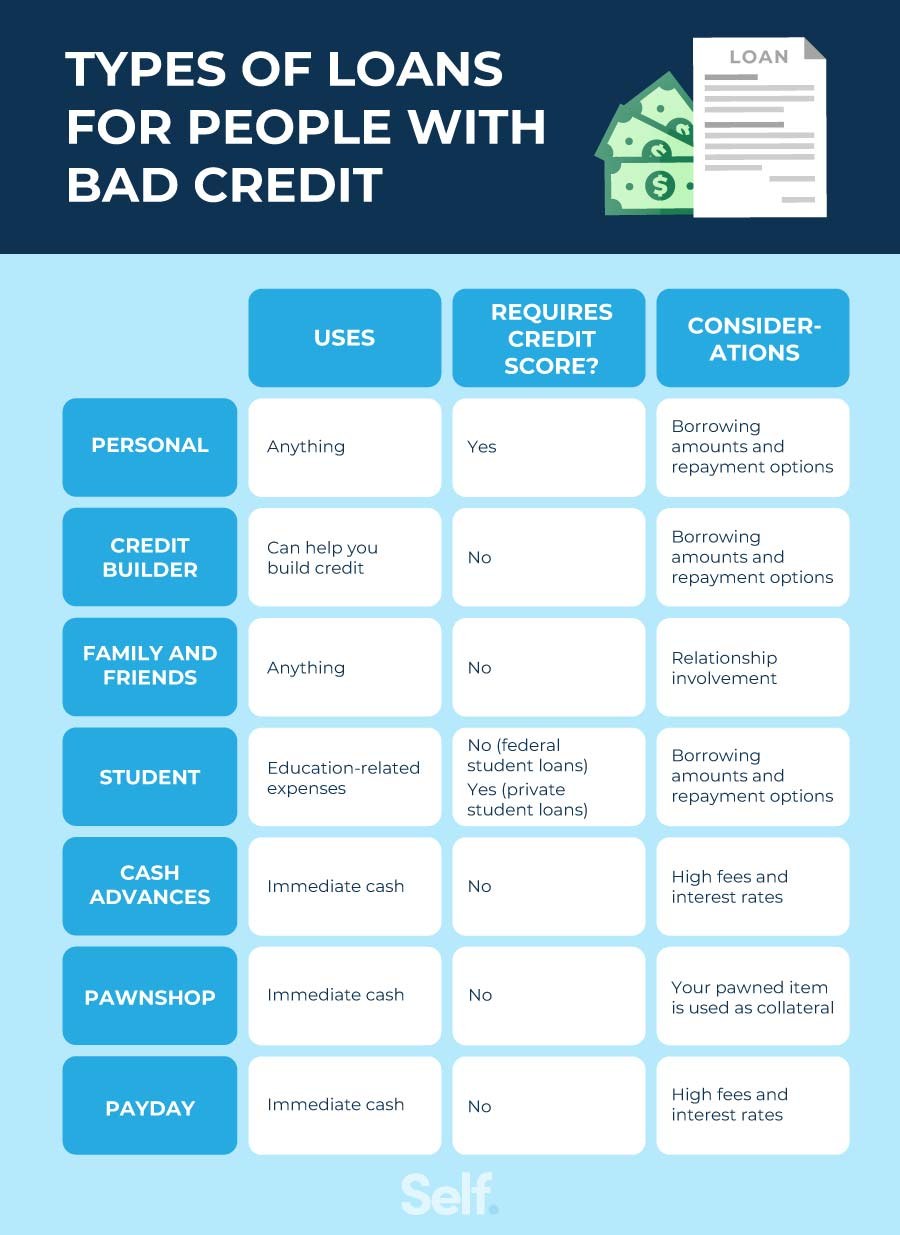
If you need cash, you have a few different paths, and each has its own pitfalls. Some people turn to cash apps or payday advances for tiny gaps. Others need larger amounts, like $2,000, which usually requires a more formal personal loan or a title loan.
One common way to get funds without a traditional credit check is a credit card cash advance. It’s a built-in feature of many cards, but it’s incredibly expensive. The interest rates are usually much higher than standard purchases, and interest often starts accruing the second the cash leaves the ATM. There is no grace period.
Then there are the “alternative” lenders:
- Pawnshop loans: You give up an item of value as collateral. No credit check, but you lose the item if you don’t pay.
- Payday alternative loans (PALs): Often offered by credit unions, these are regulated and generally have more reasonable terms than standard payday loans.
- Title loans: You use your car’s title as security. Extremely fast, but extremely high risk.
- Personal loans for bad credit: Online lenders that use specialized algorithms to assess risk.
Finally, there are digital lenders. These are the companies promising “money in your account fast.” Some are legitimate ways to bridge a gap, while others are just high-interest traps disguised as fintech. You have to look at the actual APR, not just the monthly payment, to see the truth.
Comparing Your Real Options
Let’s look at what people actually face when they need $500. It’s easy to get lost in the jargon, but the math is what matters. If you take a $500 loan, how much are you actually paying back? This is where “flexible repayment” can be deceptive. “Flexible” often just means “longer,” and longer means more interest.
According to Bankrate, payday alternative loans and credit card cash advances are two of the most accessible options for those with imperfect credit. The difference is in the structure. A payday alternative loan is a structured product with a set end date, whereas a cash advance is revolving debt that can sit on your balance for years if you only pay the minimum.
Consider these two scenarios for a $500 emergency:
- Scenario A (The Payday Loop): You borrow $500 for rent. Your next paycheck is in 14 days. You pay back $575. You are back to zero. This works if you’re disciplined.
- Scenario B (The Installment Trap): You borrow $500 as an installment loan over six months to keep your monthly budget steady. Because of the interest rates, you end up paying back $750. You felt “comfortable” with the monthly payment, but you paid $250 just to stretch the debt.
Most people get stuck in the second scenario. They prioritize “monthly affordability” over the “total cost of debt.” It’s a psychological trap that makes expensive loans look manageable. When you need an emergency loan, your goal should be the shortest term possible to minimize interest, even if the monthly payment is higher.
It’s a brutal game of math. We’ve seen people try to outrun interest by taking a second loan to pay off the first one. That’s a debt spiral, and once you start, it’s very hard to stop without a major change in income or professional help.
If you’re going to enter this market, do it with your eyes open and a calculator out. Speed is a luxury that you pay for with every cent of interest you accrue.
Common questions
Can I get a cash advance loan with bad credit?
Yes, many lenders offer cash advances to those with poor credit, though they often require proof of income and may carry higher interest rates.
Is there a way to borrow money instantly with bad credit?
While traditional banks may take days, payday loans or certain fintech apps can provide near-instant funds even with a low credit score.
What is the easiest loan to get with horrible credit?
Secured loans, pawn shop loans, and installment loans from specialized subprime lenders are generally the easiest to obtain with poor credit.
How can I get $2000 fast with bad credit?
To secure a $2000 loan quickly, you may need to provide collateral or use a specialized online lender that specializes in high-risk, high-interest unsecured loans.
